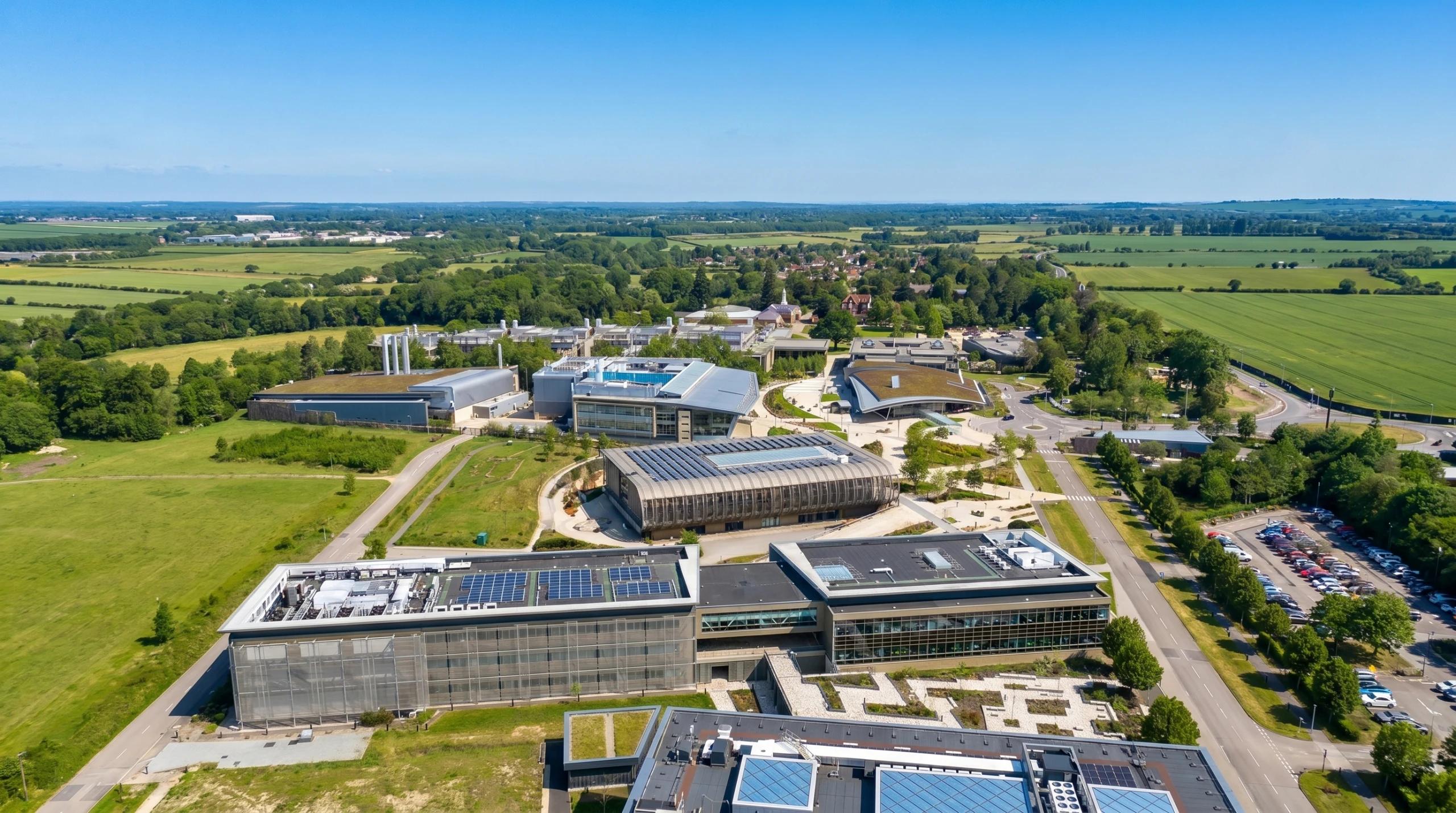
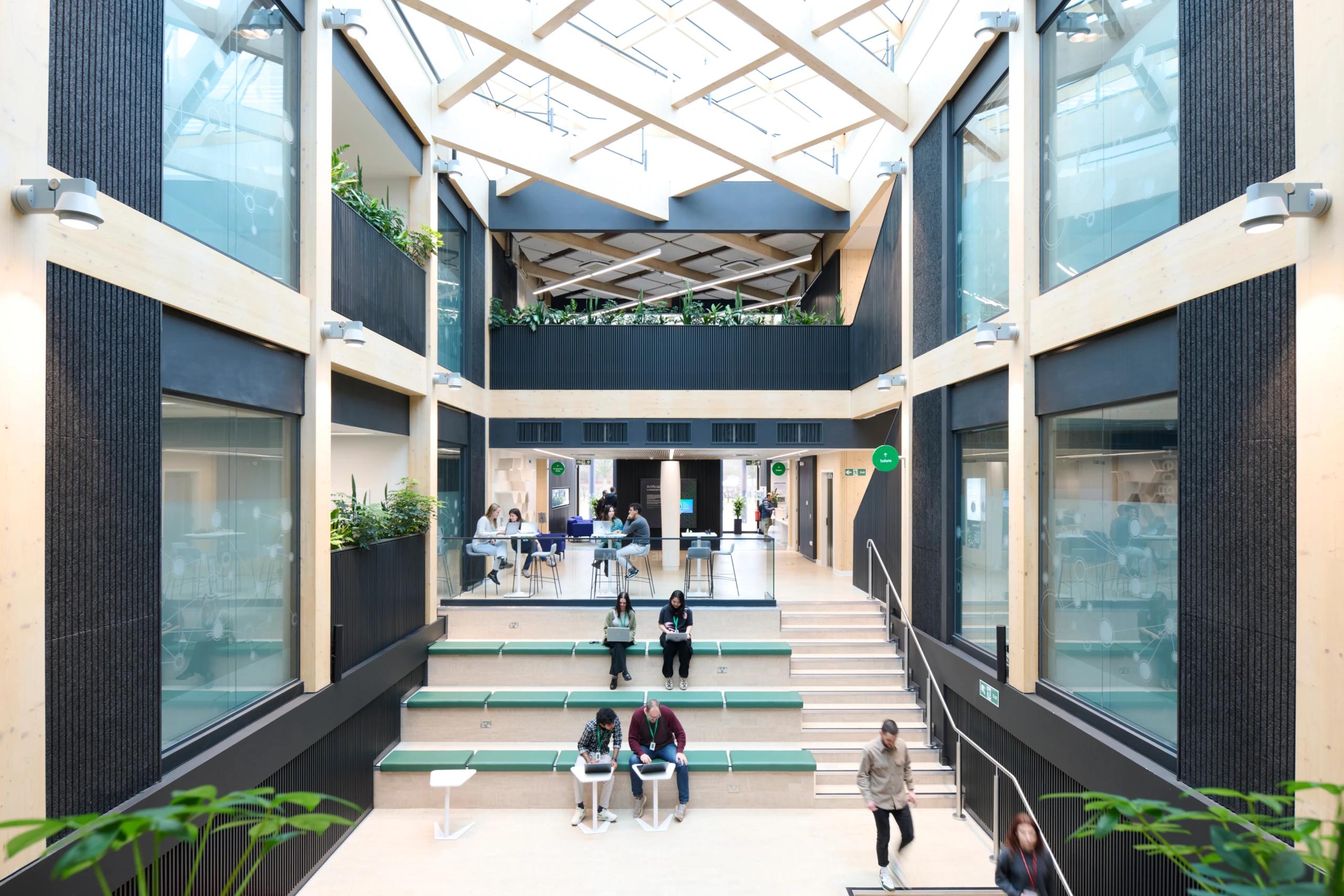
Welcome to the home of biological intelligence and an extraordinary community of science, tech, AI and data experts.




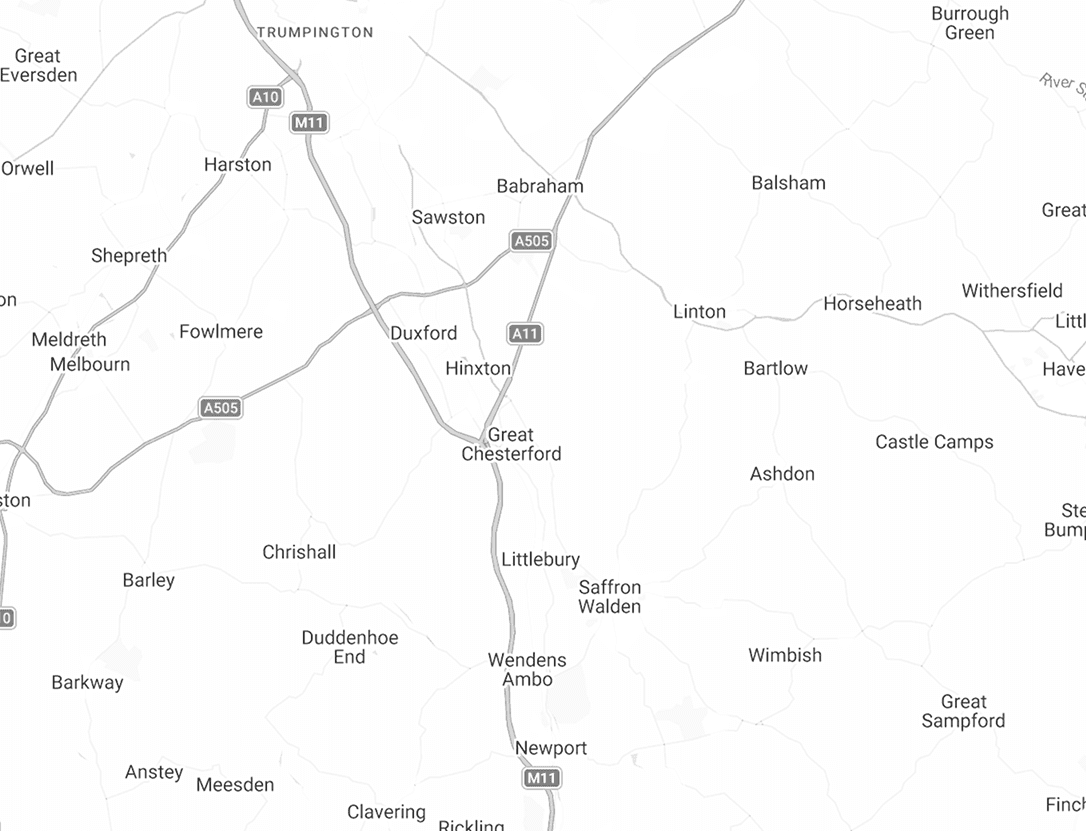
Campus addressWellcome Genome Campus
Hinxton, Cambridge
CB10 1SA
Hinxton, Cambridge
CB10 1SA
Welcome to the home of biological intelligence and an extraordinary community of science, tech, AI and data experts.
Opened in 1992, this is a campus shaped by the relentless pursuit of progress.
After playing a leading role in the Human Genome Project, the Wellcome Sanger Institute and EMBL-EBI have helped transform our corner of South Cambridgeshire into a global scientific landmark.
Today, we’re home to Europe’s largest concentration of talent in genomics, big biodata and health data, data science, and AI-driven biology, bringing together pioneering research, translation, commercial innovation, and global scientific collaboration in one connected community.
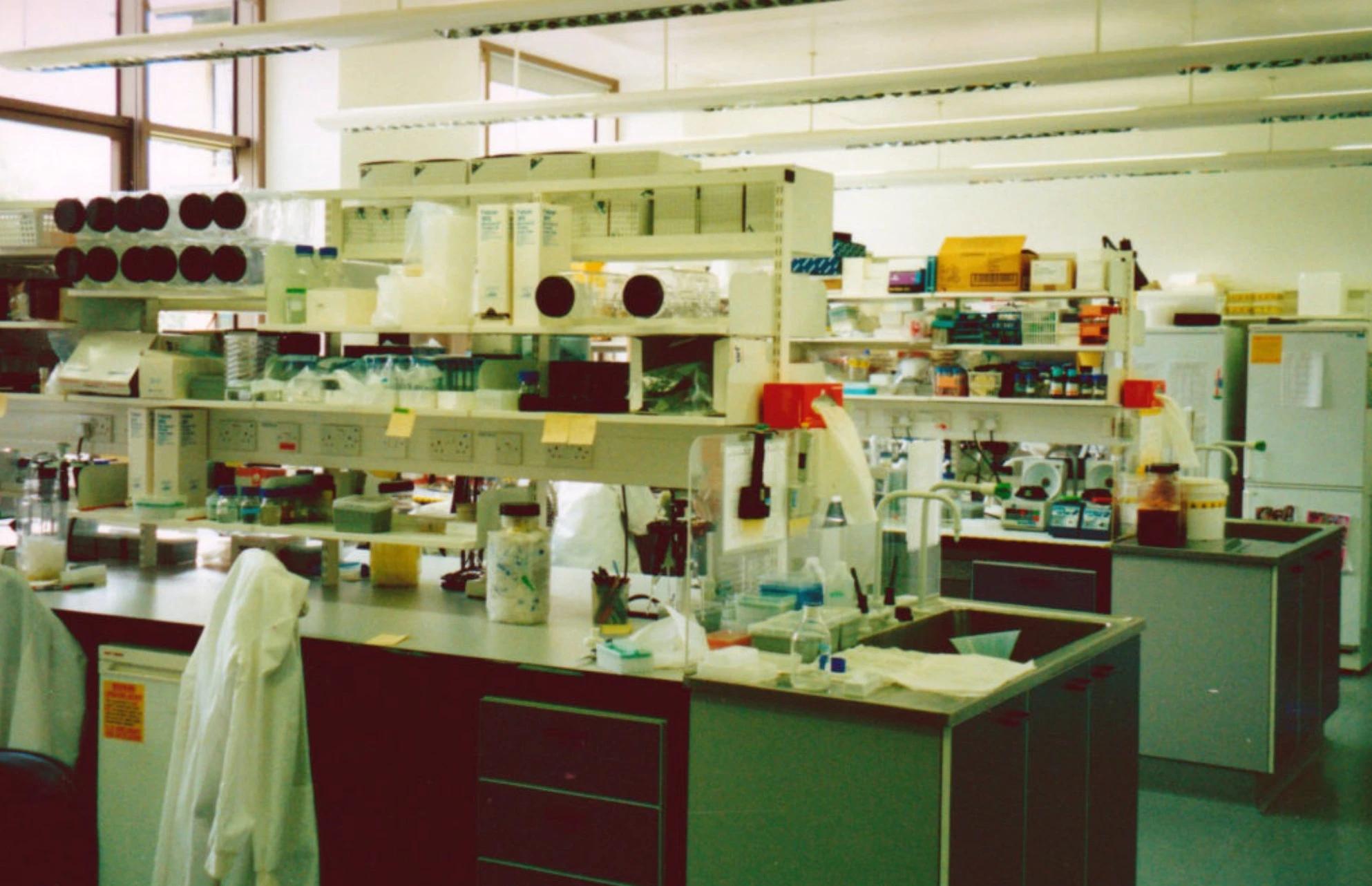
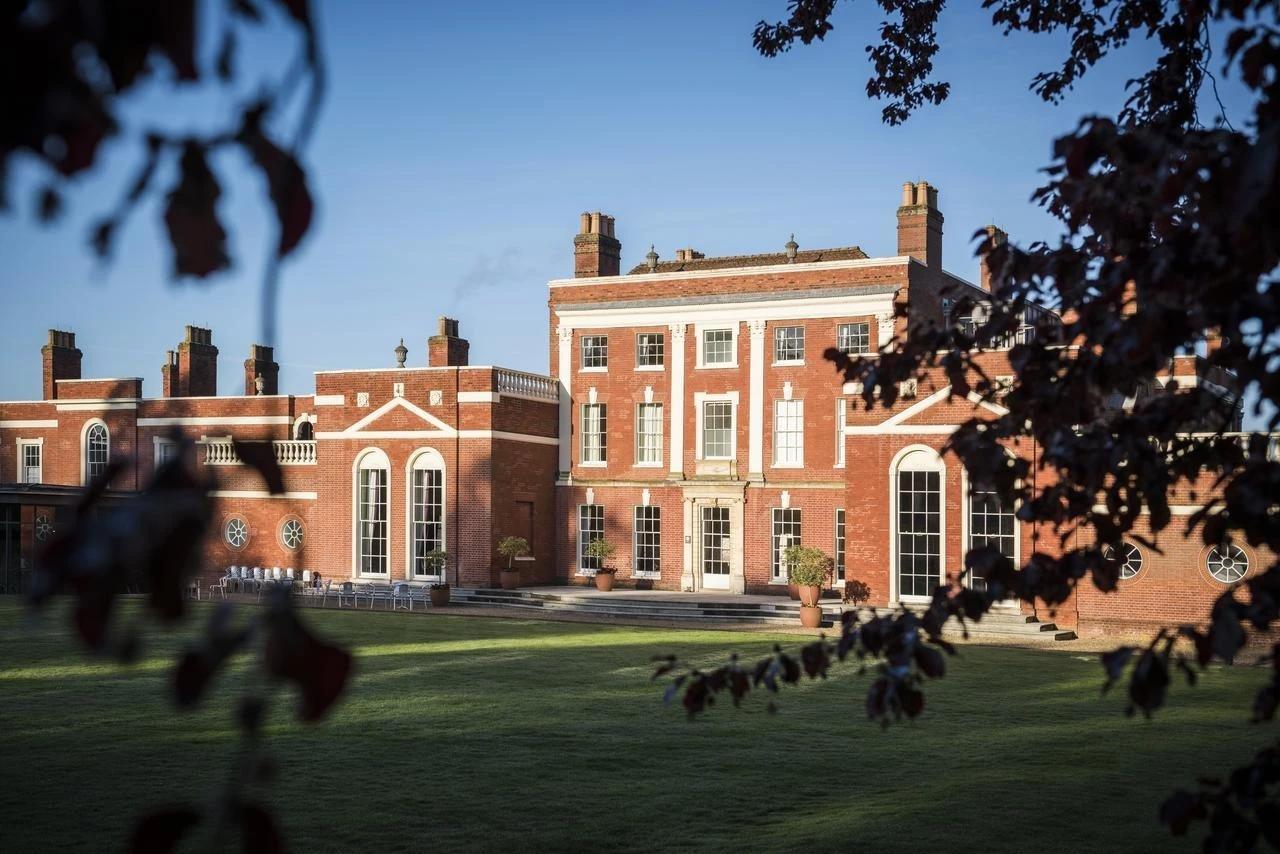
The Wellcome Trust acquires Hinxton Hall and installs the Sanger Institute as tenants. Shortly after, EMBL-EBI locates to the same site and a new era begins.
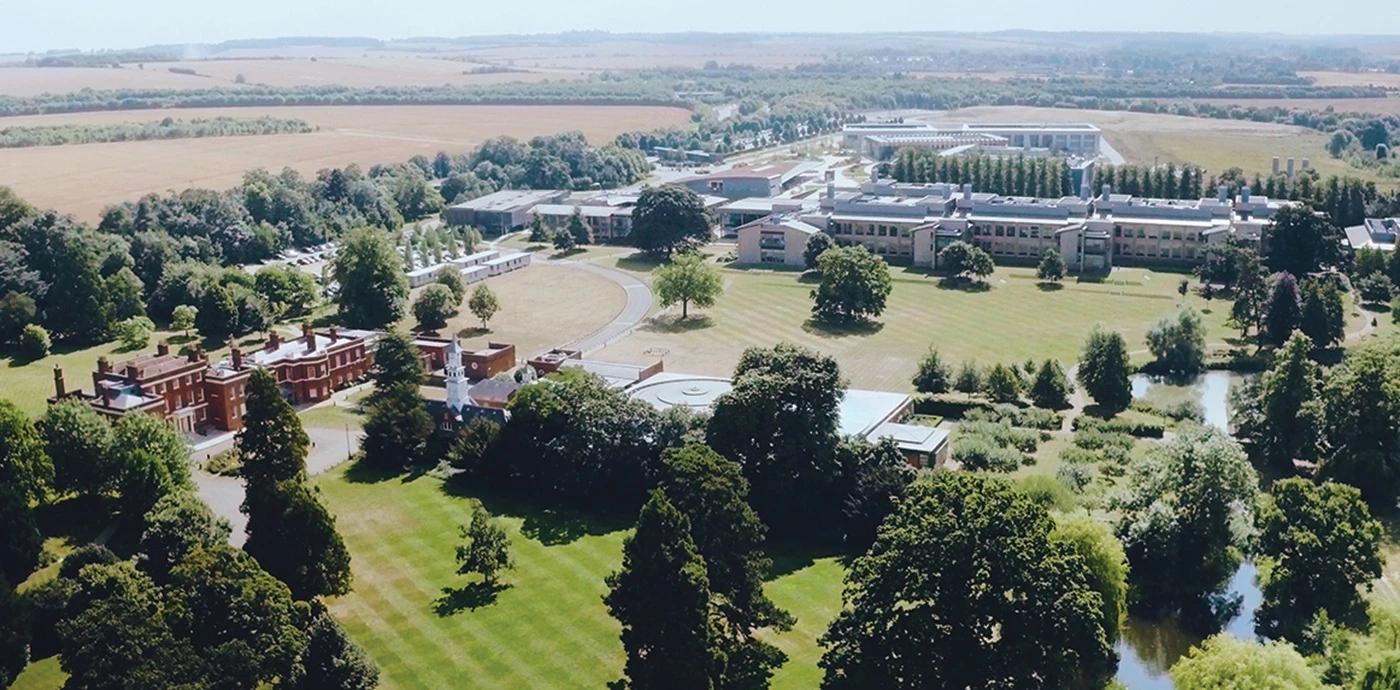
The campus is officially opened by the Princes Royal. By this point, 400 experts in genomics and biodata are working here each day.
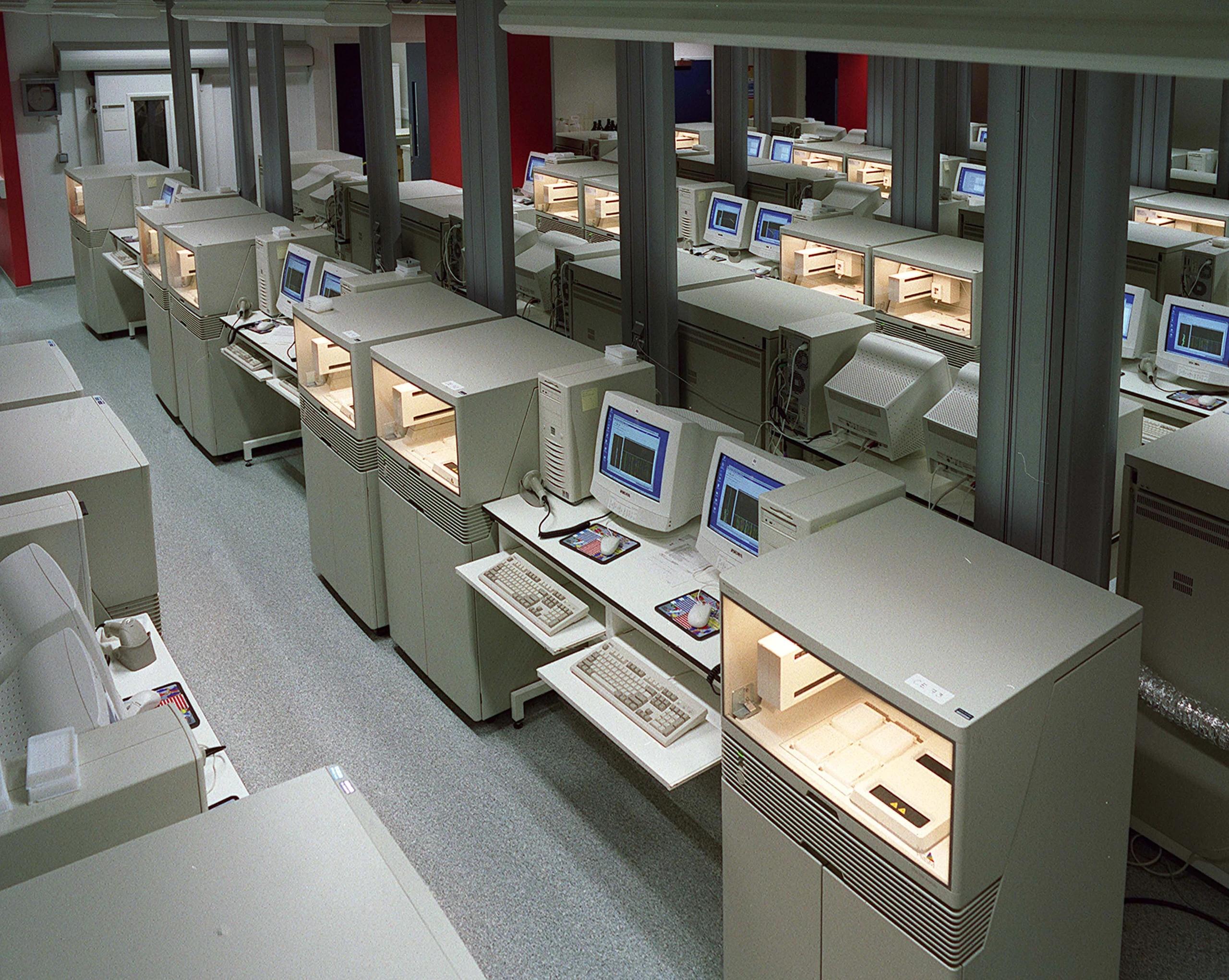
The campus quickly becomes one of the world’s principle sequencing centres and takes a leading role in the Human Genome Project.
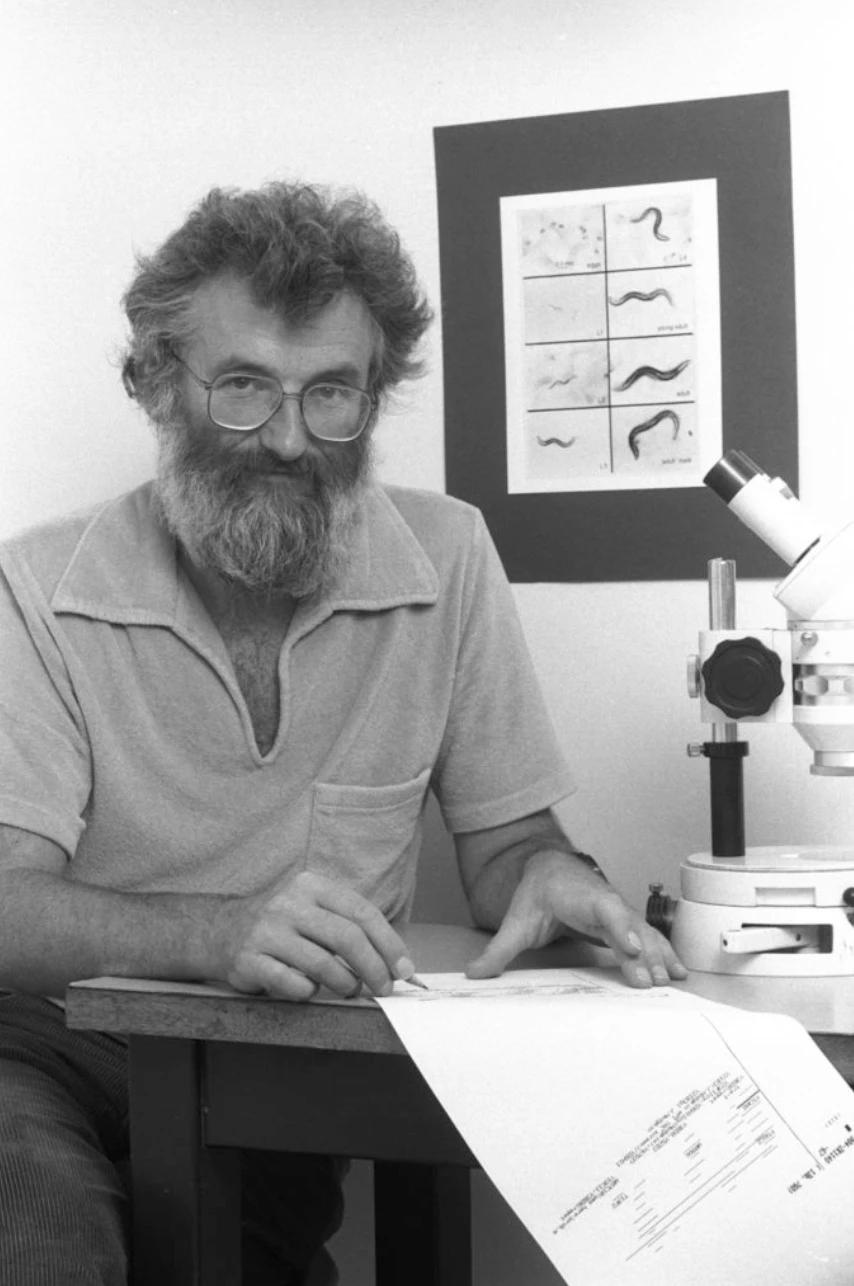
The director of the Sanger Institute, Sir John Sulston, is knighted for services to human genome research. Five years later he scoops the Nobel Prize alongside Sydney Brenner and Robert Horvitz.t

Campus scientists successfully sequence one third of the first complete human genome, the single biggest contribution to the Human Genome Project anywhere in the world. EMBL-EBI stores and distributes the data freely to researchers internationally.
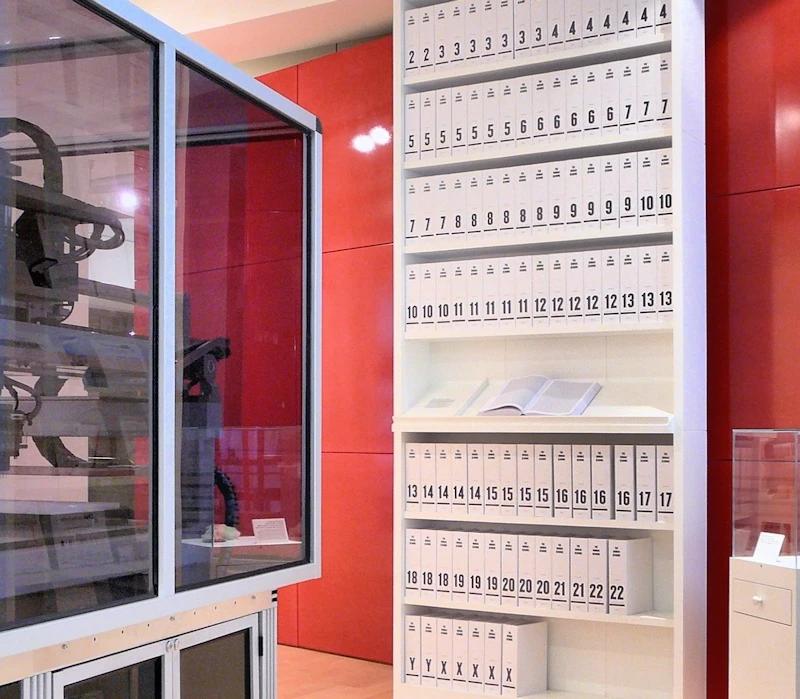
The sequenced human genome is finally complete, providing the first full genetic blueprint for human life and establishing the campus as a global landmark in genomics, bioinformatics, and open scientific data.
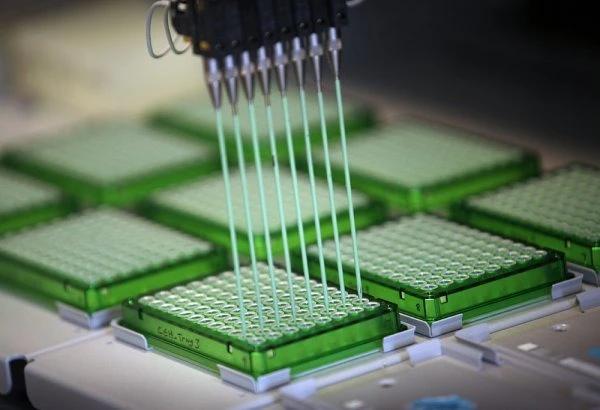
The campus broadens its research beyond human genetics, producing landmark references for hundreds of species and vital research into infectious diseases and cancer genetics.
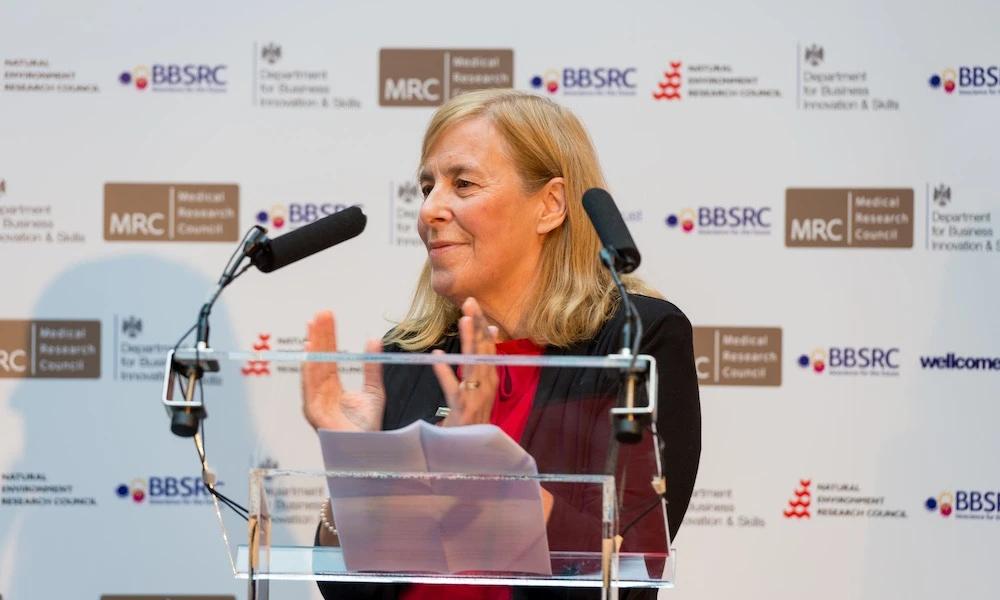
Dame Janet Thornton is recognised for her services to bioinformatics during her time at EMBL-EBI. Three years later, Sir Mike Stratton is knighted for his breakthrough work in cancer genome sequencing.
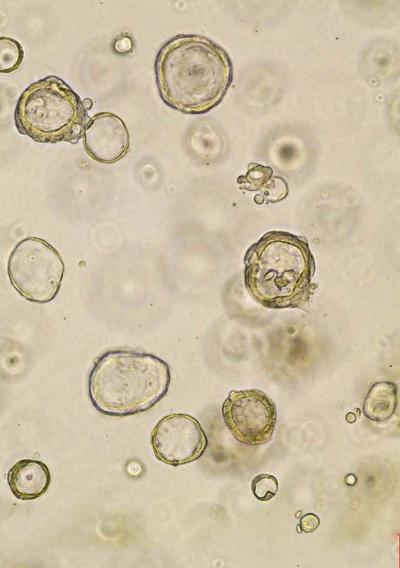
The campus helps pioneer modern precision medicine, leading breakthroughs in single cell genomics, cellular atlases, cancer volition, and pathogen surveillance.

Our scientists play a central role in sequencing SARS-CoV-2 genomes, tracking viral variants and sharing data internationally to support the global response to Covid-19.
The pioneering Health Data Research Service (HDRS) moves onto the campus. Providing a single, secure front door to UK health data, the HDRS empowers researchers to develop new medicines faster than ever before.
A landmark partnership sees BioLabs establish their first UK facility on the campus, creating a launchpad for the next generation life science and biotech ventures.

Building on three decades of success, the campus is undergoing an era-defining expansion from 125 to 440 acres. Open to the public for the very first time, this storied site now offers exceptional new space to work, live, recharge and discover.
experts in genomics and biodata
letters of DNA sequenced every day
of on-site data storage
papers published by our anchor institutes each year
industry partners working alongside our academic institutes
visitors to Hinxton Hall conference centre every year
The campus is anchored by world-leading organisations, the Wellcome Sanger Institute, EMBL-EBI and the Health Data Research Service (HDRS).
No other campus unites data generation, data curation, and population-scale health data in quite the same way.
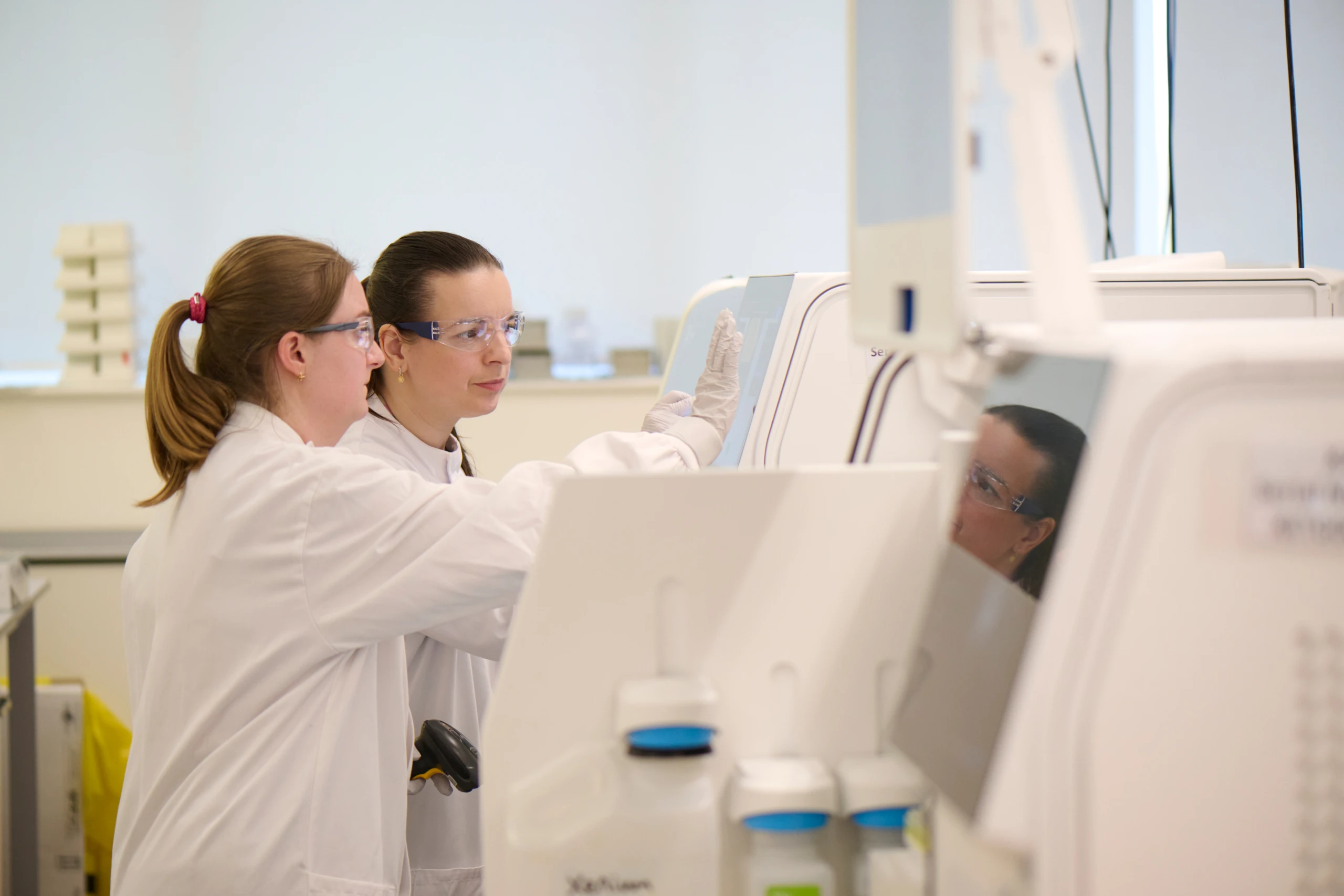
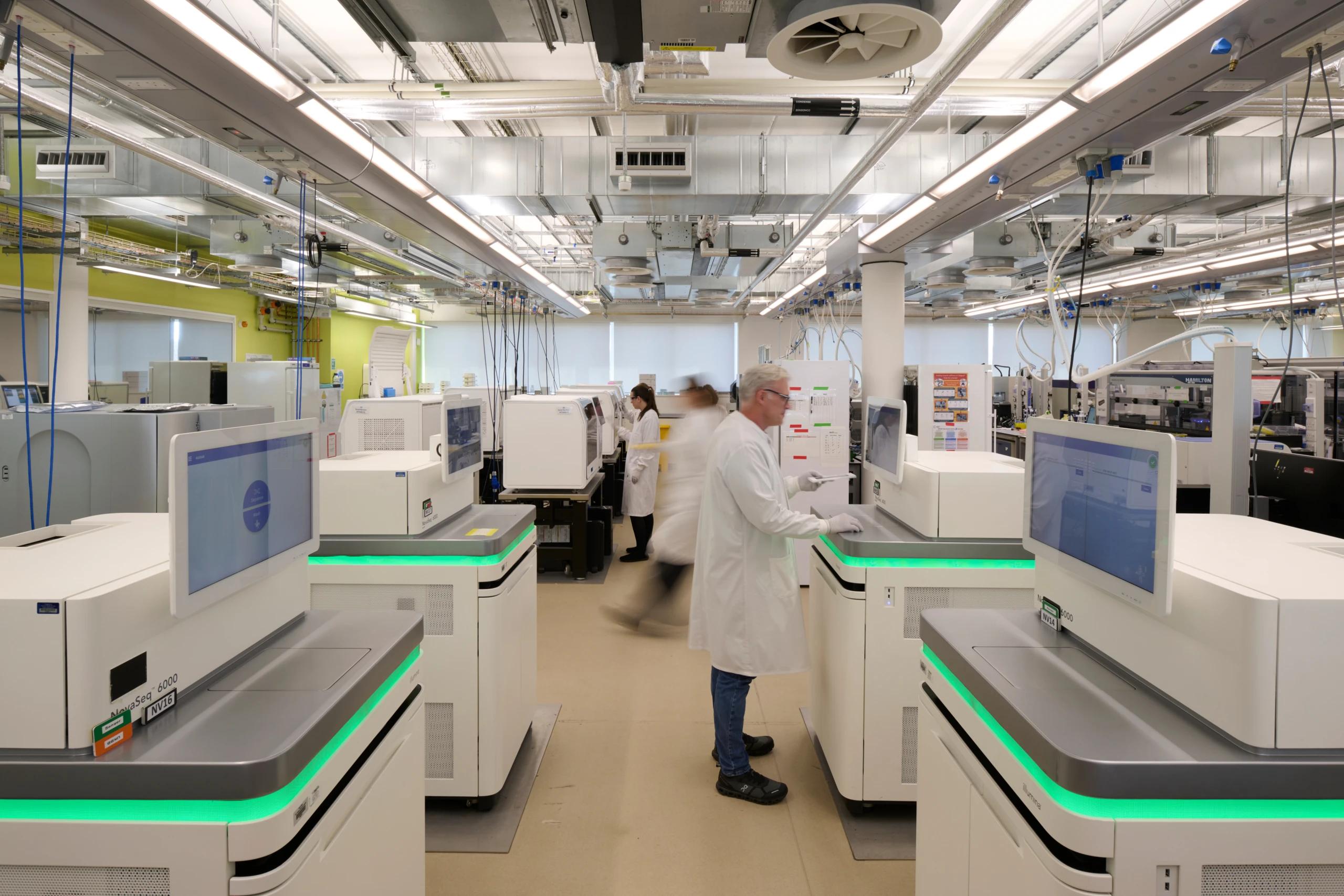
Named after a double Nobel Laureate, the Wellcome Sanger Institute is a British non-profit genomics and genetics research institute that transformed science forever with its pivotal role in the Human Genome Project.
Celebrated for pioneering high-throughput sequencing, the Institute spearheads bold projects in human, pathogen and cellular evolution, as well as genome variation. Its expertise continues to shape research policies around the world.
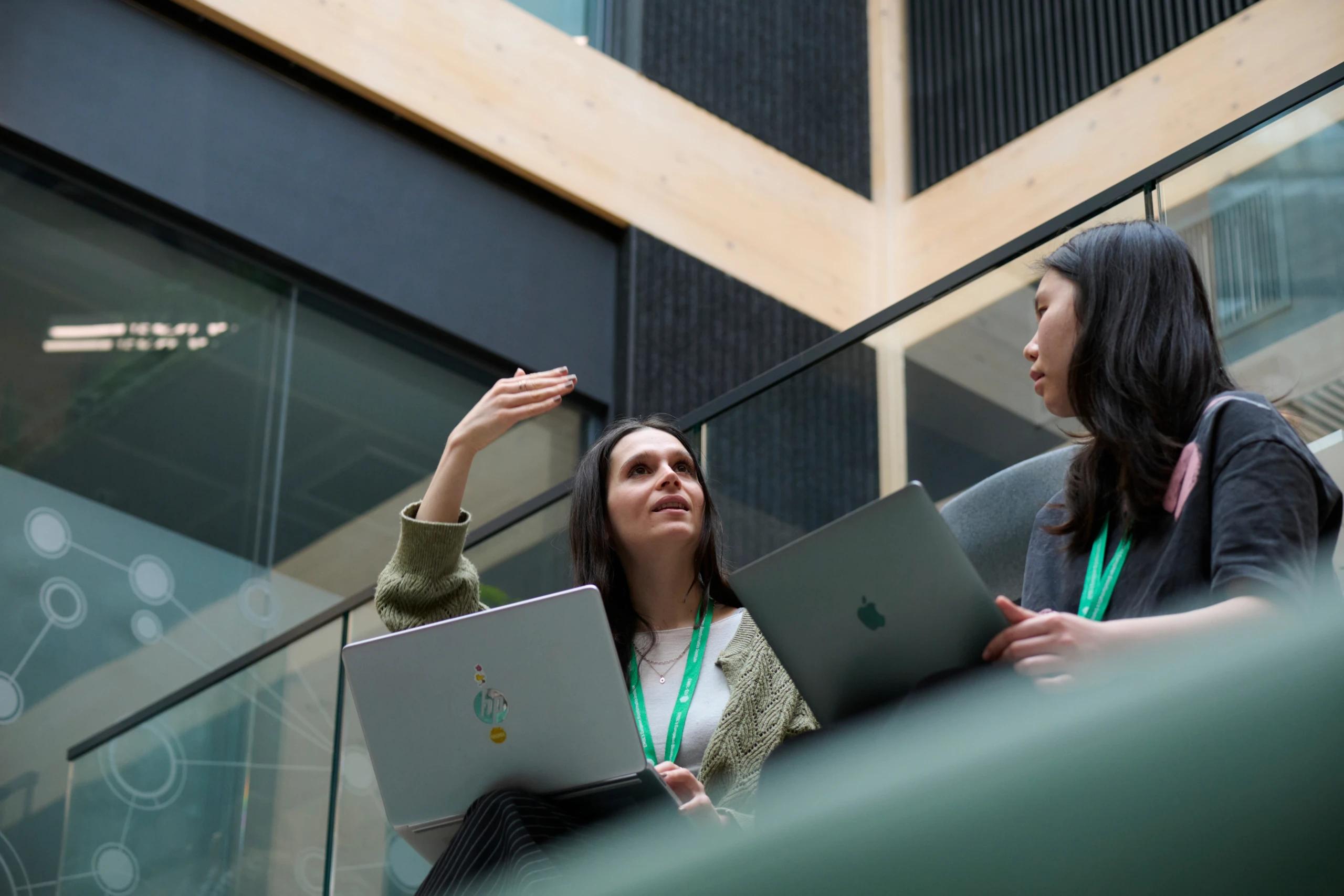
The European Bioinformatics Institute (EMBL-EBI) is one of the six sites of EMBL, a renowned intergovernmental organisation that manages the world’s most comprehensive public biomolecular databases.
The bedrock of global, open access biological data and computational biology, EMBL-EBI powers hundreds of thousands of scientific publications and countless breakthroughs that save and improve lives.

A new flagship national data infrastructure, the Health Data Research Service (HDRS) will provide a single, secure method for researchers to access and analyse different datasets.
Backed by £100 million from the Wellcome Trust and up to £500 million from the UK Government, the HDRS will accelerate thee development of diagnostics, life-saving treatments and advances in prevention, while strengthening the UK’s position as a hub for scientific innovation and health data research.
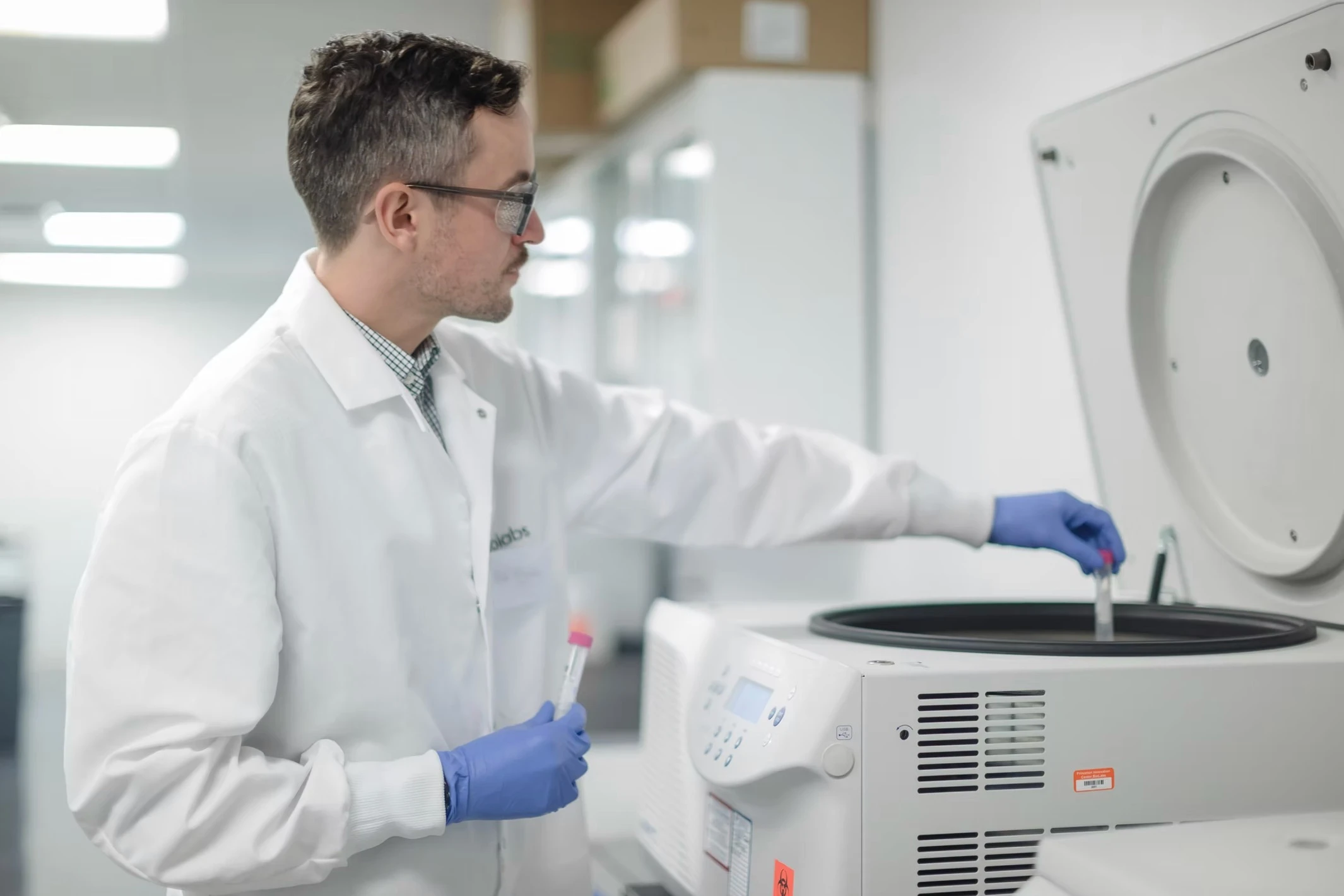
BioLabs is the ultimate growth partner for life science and biotech startups, providing innovators with ready-to-go access to cutting-edge labs, entrepreneurial programming, and deep industry and capital connections.
United by a commitment to translating research into real world impact, BioLabs has chosen Wellcome Genome Campus for their first UK location, joining a global network of innovation hubs spanning the US, Europe, and Asia.
Named after a double Nobel Laureate, the Wellcome Sanger Institute is a British non-profit genomics and genetics research institute that transformed science forever with its pivotal role in the Human Genome Project.
Celebrated for pioneering high-throughput sequencing, the Institute spearheads bold projects in human, pathogen and cellular evolution, as well as genome variation. Its expertise continues to shape research policies around the world.
The European Bioinformatics Institute (EMBL-EBI) is one of the six sites of EMBL, a renowned intergovernmental organisation that manages the world’s most comprehensive public biomolecular databases.
The bedrock of global, open access biological data and computational biology, EMBL-EBI powers hundreds of thousands of scientific publications and countless breakthroughs that save and improve lives.
BioLabs is the ultimate growth partner for life science and biotech startups, providing innovators with ready-to-go access to cutting-edge labs, entrepreneurial programming, and deep industry and capital connections.
United by a commitment to translating research into real world impact, BioLabs has chosen Wellcome Genome Campus for their first UK location, joining a global network of innovation hubs spanning the US, Europe, and Asia.
Meet the people defining the future of the campus ready for a new era of science and technology.

We have set a clear direction for our future – we will foster collaboration, commerciality, talent attraction and retention and ensure we continue to grow as a world-class destination.
We have set a clear direction for our future – we will foster collaboration, commerciality, talent attraction and retention and ensure we continue to grow as a world-class destination.
We have set a clear direction for our future – we will foster collaboration, commerciality, talent attraction and retention and ensure we continue to grow as a world-class destination.
We have set a clear direction for our future – we will foster collaboration, commerciality, talent attraction and retention and ensure we continue to grow as a world-class destination.
We have set a clear direction for our future – we will foster collaboration, commerciality, talent attraction and retention and ensure we continue to grow as a world-class destination.
We have set a clear direction for our future – we will foster collaboration, commerciality, talent attraction and retention and ensure we continue to grow as a world-class destination.
WGC Group owns, manages and develops the Wellcome Genome Campus. Our shareholder is the Wellcome Trust, a global charitable foundation established in 1936 and working towards a healthier future for everyone.
The Trust’s stewardship, values and reputation continues to underpin a culture of trust, curiosity and collaboration that other campuses simply cannot match. It’s a benefit increasingly relevant to the new partnership models AI-enabled science demands – and one we never take for granted.